

Everything You Need to Know About the TELC Certificate B1
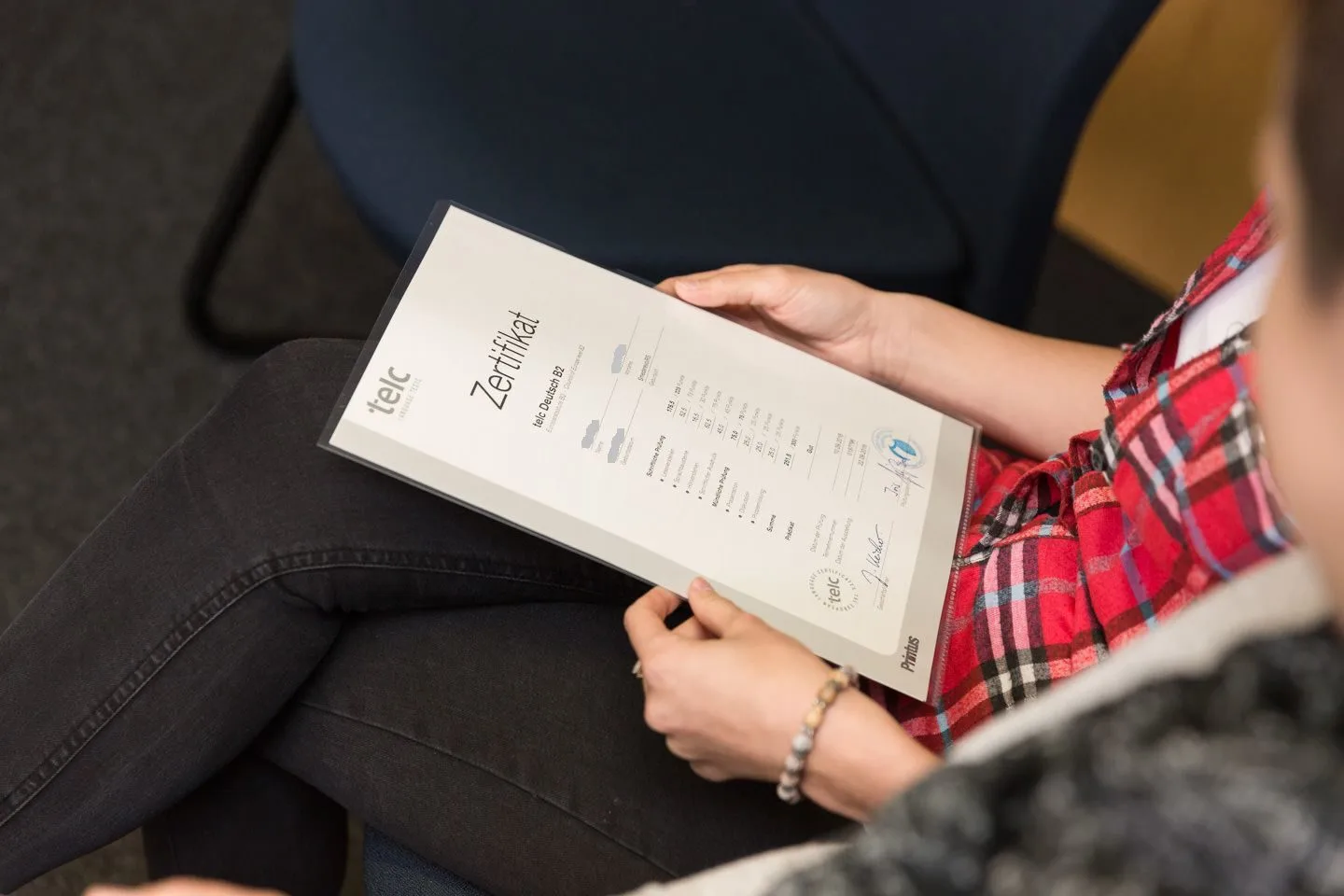
The TELC (The European Language Certificates) B1 language certificate is one of the most popular language certifications in Europe and beyond. It offers learners with an internationally recognized credentials to show their proficiency in a foreign language. Lined up with click through the next web page of Reference for Languages (CEFR), the B1 level is classified as an intermediate level of language efficiency. For those seeking to work, research study, or integrate into a new country, obtaining a TELC B1 certificate can be highly advantageous. In this short article, we will explore what the certificate requires, its advantages, and how to prepare for it.
What Is the TELC Certificate B1?
The TELC Certificate B1 is designed to test your capability to interact successfully in daily circumstances in a foreign language. At the B1 level, you are expected to understand the bottom lines of spoken or composed products if they focus on familiar subjects such as work, travel, hobbies, or family life. You ought to also have the ability to manage discussions in regular circumstances, express your viewpoints, and describe occasions or experiences clearly.
The accreditation concentrates on practical interaction abilities, stressing not just grammar and vocabulary but likewise the ability to reveal oneself confidently in real-world circumstances. TELC presently offers B1 language accreditations in a range of European languages such as English, German, Spanish, French, Italian, and more.
Who Needs the TELC B1 Certificate?
The TELC B1 certificate is widely acknowledged in schools, universities, and workplaces throughout Europe. Depending on the specific language and context, this certification may be a legal or useful requirement for:
Immigration and Citizenship Applications: Countries such as Germany require evidence of B1-level language abilities for some residency or naturalization procedures.
Employers: Many employers utilize the TELC B1 certificate to assess an applicant's language capability, specifically in service-oriented fields such as healthcare, hospitality, or customer care.
Greater Education: Academic institutions typically request evidence of language proficiency to make sure that students can actively engage in classroom conversations, understand lectures, and complete projects.
more info here : Even for people who don't require the certificate for expert or legal functions, it can act as an individual turning point in their language-learning journey, offering inspiration and structure.
Structure of the TELC B1 Exam
The TELC B1 exam is divided into 2 main parts: the written assessment and the oral examination.
The Written Examination (120 Minutes).
This part examines reading, listening, and writing abilities:.
Reading (90 minutes): Tests your understanding of texts from newspapers, e-mails, ads, and other common materials.
Listening (30 minutes): Assesses your capability to follow discussions, radio programs, or announcements.
Composing (30 minutes): Involves making up short written texts such as e-mails, notes, or short essays on familiar topics.
The Oral Examination (15 Minutes).
This is conducted either separately or with a partner. The oral exam requires you to:.
Present yourself.
Speak on an offered subject.
Engage in dialogue and exchange opinions on a scenario (e.g., making plans or fixing problems).
The exam imitates real-life circumstances, so fluency and clearness are more important than perfect grammatical precision.
Benefits of Earning the TELC B1 Certificate.
Worldwide Recognition: TELC certificates are appreciated worldwide, making them a great addition to your educational and expert credentials.
Profession Opportunities: Whether you're looking for an international task or going for a job promotion, a TELC certificate shows your ability to thrive in environments where interaction in a foreign language is key.
Legal Compliance: For individuals looking for residency or citizenship in certain countries, a TELC certificate might be required to prove language skills and incorporate into the community.
Confidence in Communication: The preparation and test-taking procedure equips you with solid skills for efficient interaction in your target language.
Tips to Prepare for the TELC B1 Exam.
Understand the Exam Format: Familiarize yourself with the structure and elements of the exam by evaluating sample papers and practice tests. You can discover many complimentary resources on the TELC site or purchase official preparation products.
Practice Regularly: Consistency is essential. Devote time day-to-day to practicing your reading, writing, listening, and speaking abilities.
Take Practice Tests: Simulate exam conditions by taking practice tests within the allotted time. This will help you manage your time efficiently during the real exam.
Speak with Native Speakers: Join language exchange programs or discussion groups to review your speaking and listening abilities.
Enroll in a Preparation Course: Many language schools and online platforms use courses specifically designed to prepare for the TELC B1 exam.
Concentrate On Everyday Situations: Since the TELC B1 exam tests useful language usage, practice situations like grocery shopping, taking a trip, or writing casual emails.
How to Register for the TELC B1 Exam.
To register for the TELC B1 exam, check out the official TELC website (www.telc.net) or contact authorized language centers in your location. The exam is provided at different places worldwide throughout the year, and you may require to sign up a number of weeks before your wanted exam date. The costs can differ by location, but anticipate to pay roughly EUR100-- EUR130 for the exam.
Conclusion.
The TELC Certificate B1 is an important asset for anyone wishing to show their intermediate language efficiency. Whether it's for individual achievement, migration, or career advancement, this accreditation opens doors to brand-new opportunities in education, work, and life abroad. By dedicating yourself to proper preparation and practice, you can accomplish your language discovering objectives and pass the TELC B1 exam with confidence.